



Price: $189.99
(as of 2026-11-04 05:01 GMT+0000 – Details)

Display and Form Factor
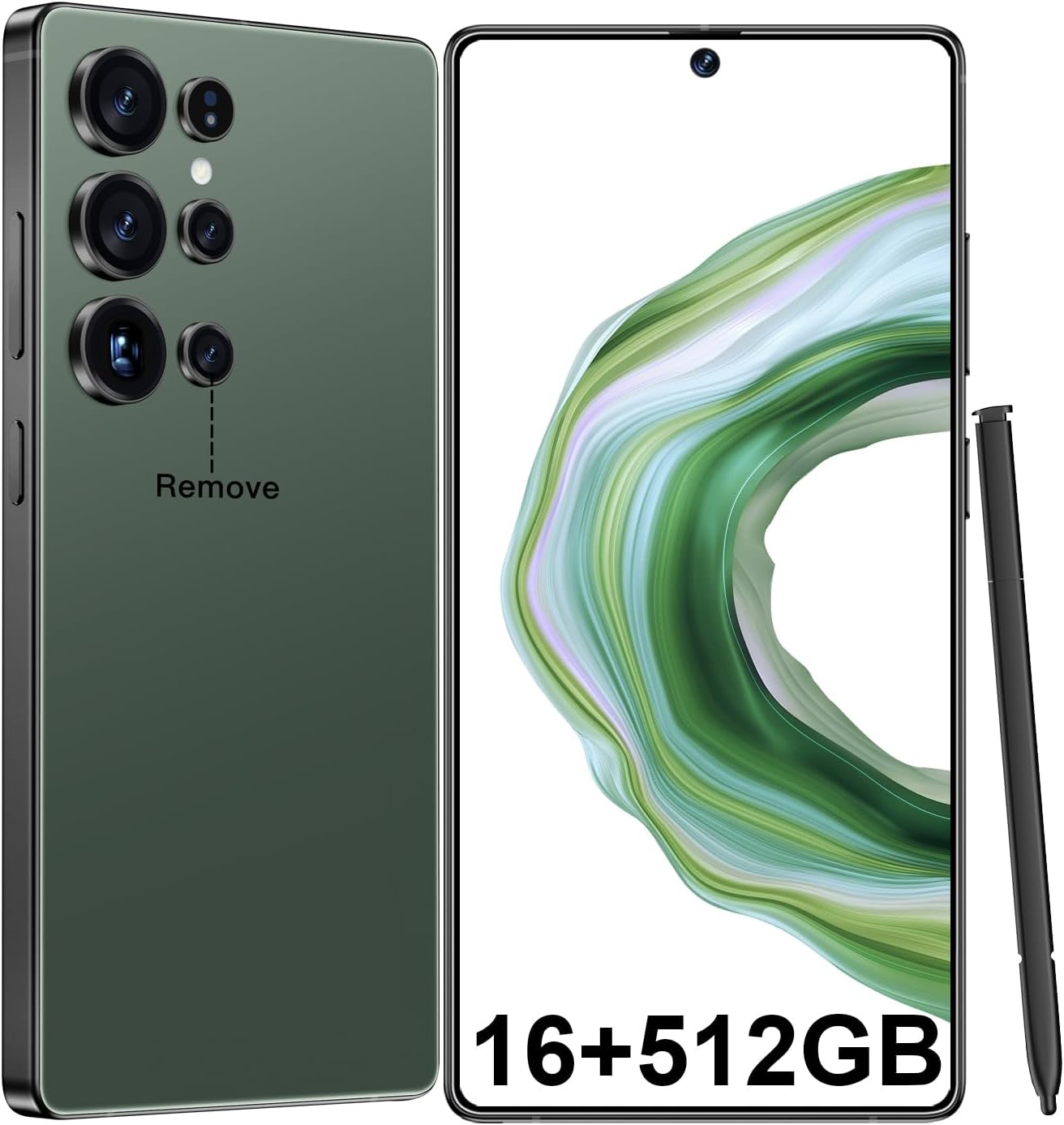
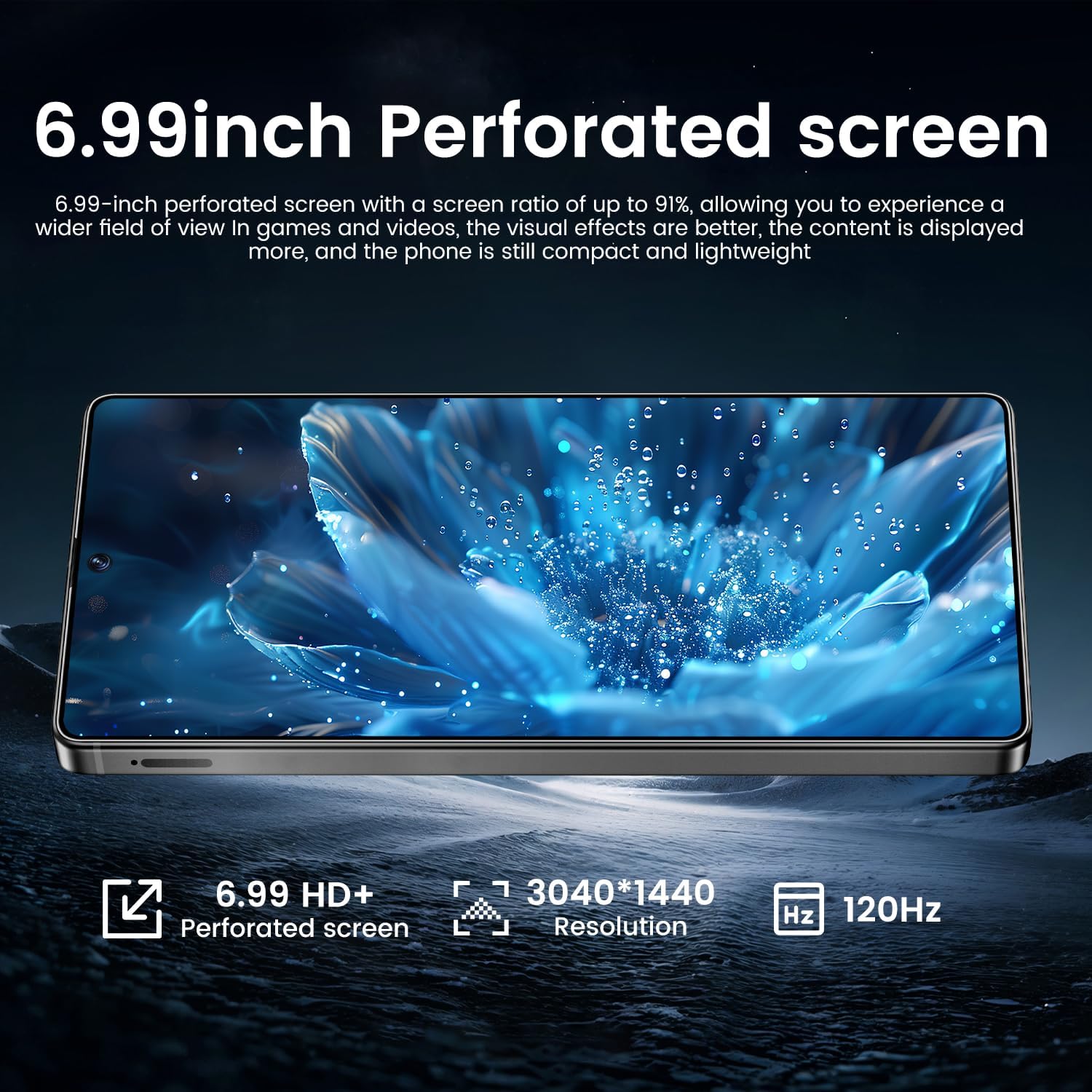
The I25 Ultra ships with a 6.99‑inch HD+ perforated panel that stretches across most of the front surface, giving a wide field of view for video streaming, gaming and web browsing. The description emphasizes a slim chassis that still allows one‑handed operation despite the large diagonal, which can be practical for users who prefer a single‑hand grip. However, the screen is specified only as HD+ rather than full‑HD or higher, so pixel density may be lower than on competing flagship panels, and the exact refresh rate, brightness levels or protective glass type are not disclosed.
Processing Power, Memory and Storage
According to the product title the device uses a Snapdragon 8 Gen 3 chipset, while the description refers more generically to a “high‑performance processor.” Coupled with 16 GB of RAM and 512 GB of internal storage, the configuration is positioned for smooth multitasking, rapid app switching and the ability to keep many large games or media files locally. The ample RAM should reduce reload times for background apps, and the generous storage eliminates the need for a micro‑SD slot, though the description does not confirm whether expandable storage is supported. No benchmark figures or thermal‑management details are provided, so real‑world sustained performance under heavy loads remains unverified.
Camera System
The rear module features a 108 MP primary sensor and the front houses a 68 MP selfie camera. The marketing text claims sharp, rich‑color photos in both daylight and low‑light conditions, as well as clear video capture for travel and daily moments, and it suggests the front camera is suitable for high‑quality selfies and smooth video calls. While the megapixel counts are high, the description does not mention aperture sizes, pixel‑binning techniques, optical image stabilization, or dedicated lenses such as ultra‑wide or telephoto, which are common on competing flagships and affect real‑world image quality.
Battery Capacity and Software Platform
A 7000 mAh battery is quoted as providing all‑day endurance even under heavy usage, reducing the frequency of charging sessions. The phone runs Android 14, which brings a cleaner interface, enhanced permission controls and improved privacy protections compared with earlier versions. The OS version also promises broad app compatibility and the ability to customize the user experience. Notably, the description does not specify charging wattage, wireless charging support, or any fast‑charging standards, so the time required to replenish the large cell remains unknown.
Biometric Unlock and Daily Convenience
Face recognition is highlighted as the primary unlocking method, described as fast enough to wake and unlock the device instantly. This can streamline access for everyday tasks such as checking notifications or answering calls. The absence of a fingerprint sensor or alternative biometric options is not addressed, and the security classification of the face‑unlock implementation (e.g., 2D vs. 3D depth sensing) is omitted, which may be a consideration for users with higher security requirements.
Network Compatibility and Carrier Flexibility
The handset is sold unlocked and supports most GSM carriers, allowing the user to insert a SIM card and begin service without carrier‑specific restrictions. This makes it suitable as a primary device or a backup phone for travelers who need to swap SIMs across regions. The description does not list supported 5G bands, LTE categories, or CDMA compatibility, so buyers on networks that rely on those technologies should verify band support independently.
Overall Assessment and Notable Gaps
On paper the I25 Ultra combines a large display, high RAM and storage, a high‑megapixel dual‑camera setup, a very large battery and the latest Android release, positioning it as a competitively specced device for power users and media consumers. Practical limitations stem from the lack of detailed specifications: exact display resolution and refresh rate, processor verification beyond the title, camera optics and stabilization, charging speed, biometric security depth, and comprehensive network band information. Potential buyers should treat the advertised figures as headline features and seek full technical sheets or independent analyses before committing, especially if specific performance thresholds such as sustained gaming frame rates or low‑light photography are critical.